Sewer Scope Inspection in Knoxville
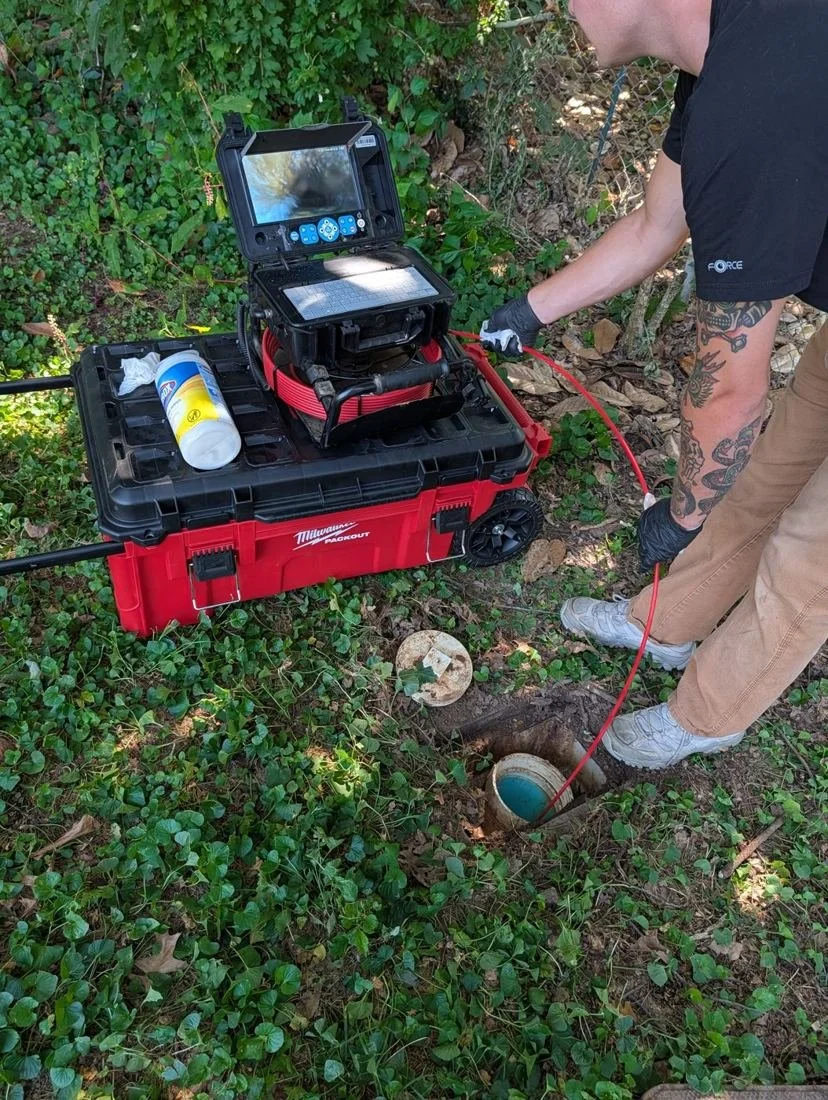
A sewer scope inspection is a video inspection of the buried sewer line that runs from your house to the city or HOA tap, or to the septic tank. Inspector Cluseau performs sewer scopes in Knoxville and across East Tennessee, records the full run on video and reports the defects visible inside the pipe. You receive the report and video within 24 hours.
Schedule online or call 865-691-6158.
Why the home inspection doesn't cover it
A standard home inspection looks at the plumbing you can see inside the house. The sewer line is underground, so a home inspection can't evaluate it. Sinks draining and toilets flushing during a showing don't tell you what the pipe looks like under the yard.
A sewer scope puts a camera inside that line so you can see its condition before you take responsibility for it.
What we find most often
In Knoxville-area sewer lines, the three problems we find most often are:
Broken pipe
Root intrusion
Corrosion
We also call out Orangeburg (bituminous fiber) pipe and asbestos cement (Transite) pipe when we see them. Both are older materials that can fail.
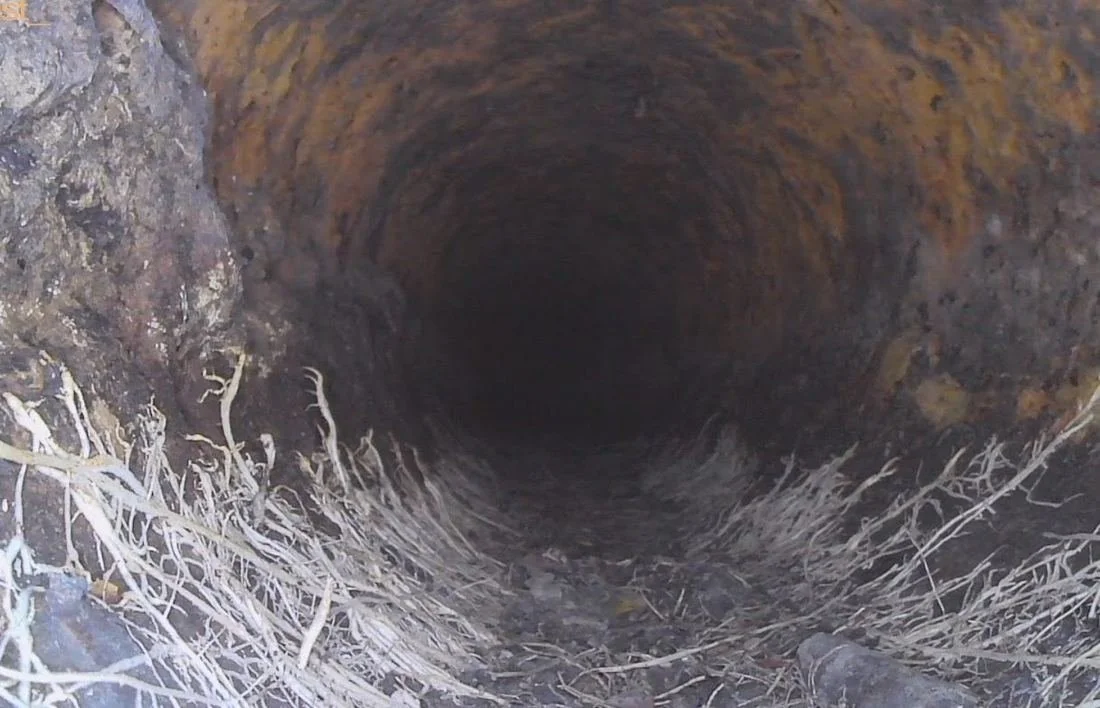
Root intrusion inside a sewer line
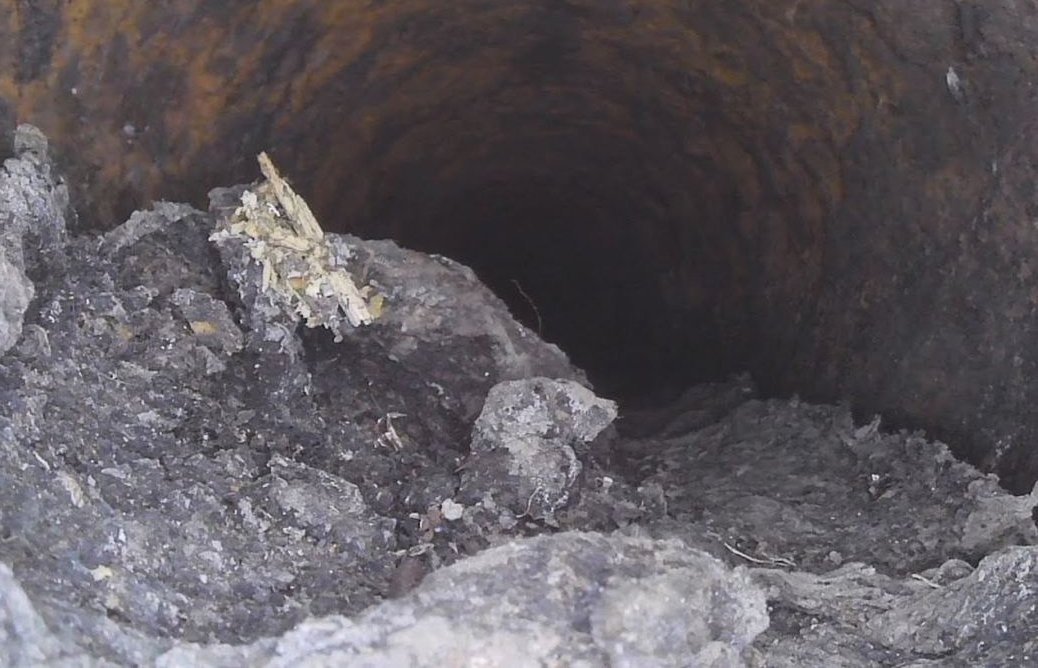
Broken pipe with soil and debris in the line
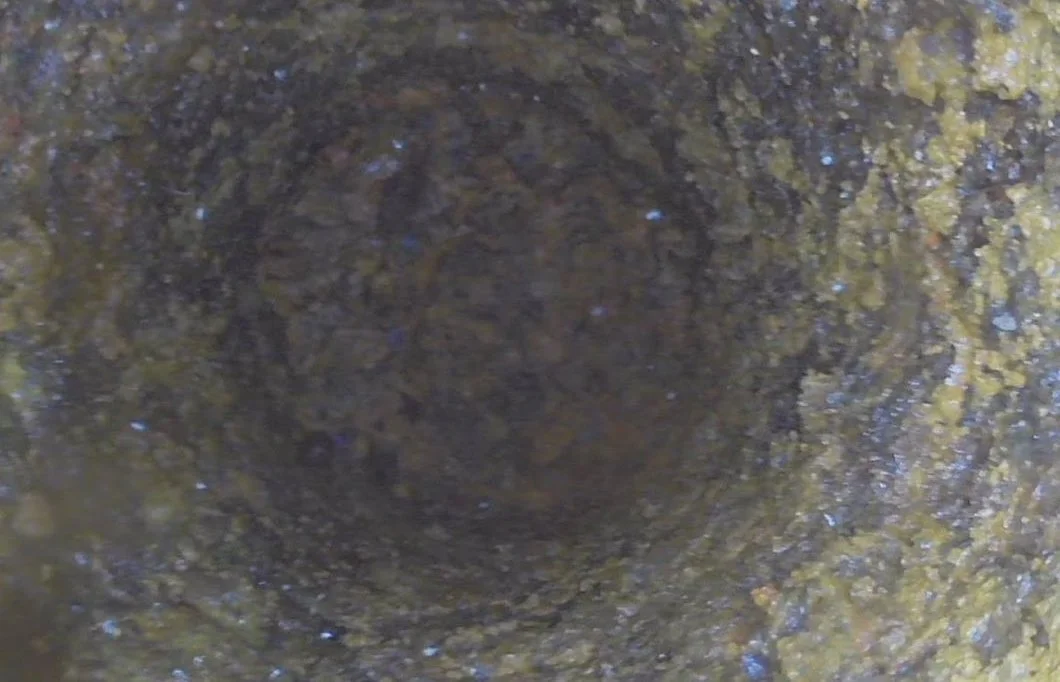
Corrosion and scale buildup
What we inspect
Following the InterNACHI Sewer Scope Standards of Practice, we:
Run the camera through the main or exterior sewer line, ideally from a cleanout.
Record the entire run and give you the video.
Document every defect we observe in the video.
Describe the pipe material when we can identify it.
Note in the report if a cleanout isn't visible or accessible.
What we report as needing correction
Visible cracks
Plant or tree root intrusion
An offset of more than 1/4 inch
More than 1 inch of standing water
A blockage or restriction
A crushed, broken or collapsed line
A separated or disconnected line
Excessive rust or scale
An excessive amount of grease
Deteriorated concrete
An egg-shaped line
Delamination or deterioration
What a sewer scope doesn't do
A sewer scope is a visual inspection of the inside of the pipe on the day we're there. It isn't a prediction of future conditions, and it won't find concealed defects. We don't:
Locate or mark defects on the ground.
Give the length of the line to the tap or septic tank.
Scope the drain lines under the floor or inside the house.
Pull toilets to get access.
Give repair or replacement cost estimates.
If we find a defect, the next step is usually a licensed plumber or sewer contractor, who can locate it, measure it and price the repair.
Before the inspection
We need access to the sewer line, ideally through a cleanout. A cleanout is usually a capped pipe in the yard or near the foundation. Make sure it is uncovered and reachable before we arrive. Plan on about one hour on site.
Adding it to your inspection
A sewer scope is available on its own or as an add-on to any home inspection. It is also included in our Works package. The report and video are delivered within 24 hours.
Schedule a sewer scope
Schedule your inspection online or call 865-691-6158.